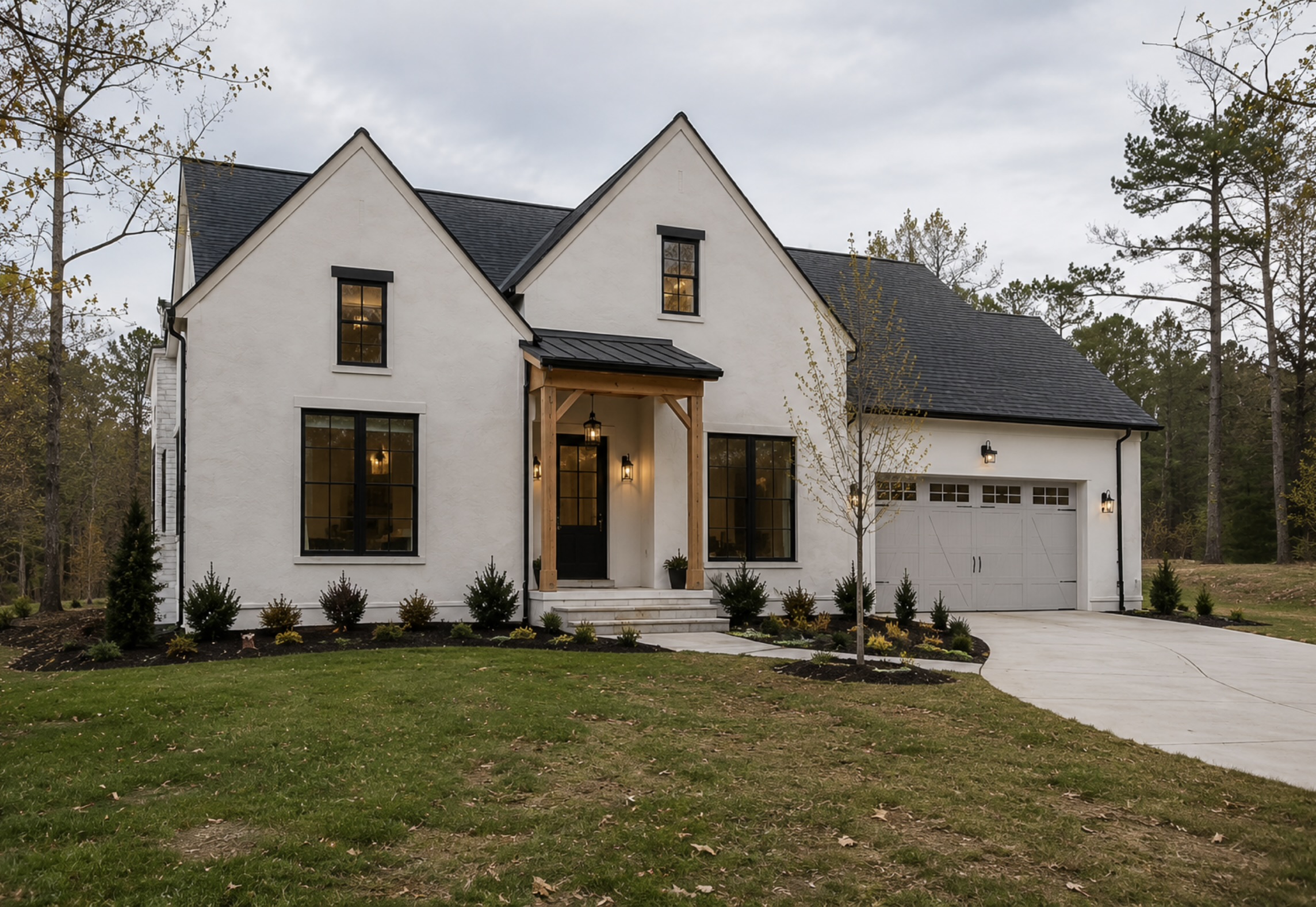
Future-Proofing Homes: Integrating Resilience into Construction Designs Feb 05, 2026
Incorporating resilient designs begins with understanding the environmental and social contexts of construction. Climate change is a significant consideration. Increasingly severe weather events necessitate homes that can withstand such impacts. Incorporating durable materials that are not only sustainable but also weather-resistant is a crucial step. Materials such as recycled steel, bamboo, and specially treated woods not only reduce the environmental footprint but also offer robust resilience against natural forces.
Energy efficiency sits at the heart of future-proof design. By integrating renewable energy sources such as solar panels and wind turbines, homes become less dependent on non-renewable energy and more self-sufficient. Beyond installation, it's essential to design home systems that optimize energy use. This includes using smart home technology that manages consumption based on real-time data to maintain efficiency and reduce costs.
Adaptability is a key element of resilient construction. Flexibility in design allows homes to evolve with the needs of their occupants. This can be achieved through modular construction methods that facilitate easy alterations as family sizes or uses change. Features such as interchangeable room layouts and multi-purpose spaces ensure that homes remain functional without extensive renovations. This adaptability is crucial in a world where demographic shifts and lifestyle changes are commonplace.
Technological integration is another pillar of future-proof homes. As technology rapidly advances, it is imperative that homes are equipped with the capabilities to integrate new devices and systems seamlessly. This involves installing high-speed internet connections, ample power outlets, and smart home systems that can interface with emerging technologies. Such preparation ensures that a home remains at the forefront of comfort and convenience without requiring major overhauls.
Water conservation and management also play a significant role in future-proof construction. Implementing systems that collect, recycle, and efficiently use water can greatly enhance a home's sustainability. This includes rainwater harvesting systems, greywater recycling, and drought-resistant landscaping. These strategies not only reduce dependency on municipal water systems but also contribute to environmental preservation.
Finally, consider the importance of health and well-being in construction design. A future-proof home is not just about resilience to external factors but also about promoting the health of its occupants. The use of non-toxic materials, effective ventilation systems, and ample natural lighting are essential components that contribute to a healthier living environment.
In conclusion, future-proofing homes involves a holistic approach to design that considers environmental sustainability, energy efficiency, adaptability, technology, water management, and health. At GIS Global Construction, we are committed to helping you navigate the complexities of modern construction to create homes that are not only enduring but also enriching. By integrating these resilience strategies, homeowners can rest assured that their investments are protected and poised for the best possible future. As you embark on your next construction or remodeling project, consider these elements to ensure your home stands strong in an ever-changing world.
/filters:no_upscale()/filters:format(webp)/media/b921833b-c24d-45e8-ae63-1cda47ab089e.jpeg)